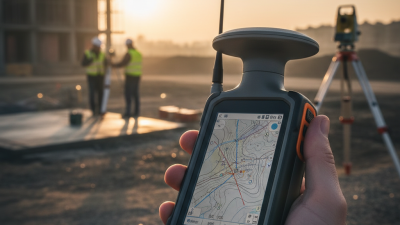
When it comes to accurate surveying, having Precise Positioning tech is a total game-changer. That’s whereMulti Band RTK GNSS Antennas really shine—they’re key to getting those measurement results just right. Recently, data from NOAA shows that GNSS tech has brought down positioning errors to under 2 centimeters, which honestly sounds pretty amazing. This kind of advancement is really shaking things up in fields like construction, farming, and mapping, making everything way more accurate.
Now, if you're a surveyor trying to get more done in less time, you're probably noticing that reliable Multi Band Rtk Gnss Antennas are in high demand. Big brands like Trimble and Leica Geosystems are leading the pack here, pushing out new tech that offers sharper signal accuracy and better resistance to things like multipath interference—those pesky signal reflections that can mess things up. But, here’s the thing: even top-notch equipment isn’t magic. It still needs to be operated by someone who knows their stuff, and environmental factors—like working in a dense city or bad weather—can throw a wrench in everything.
It’s kinda interesting, actually. These antennas can be a huge advantage, but they do come with a price tag and require proper training. Pick the right one, and you might see your project really take off. But if you get it wrong or don’t have the skills to use it properly, results could be pretty disappointing. So, it’s all about finding the right balance—technology is awesome, but the human touch still matters. Thinking about all these factors helps ensure that the gear actually works well in real-world scenarios and gets you the best possible results.
Overview of Multi Band RTK GNSS Antennas
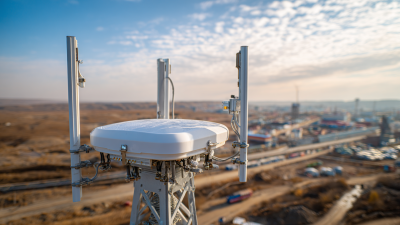
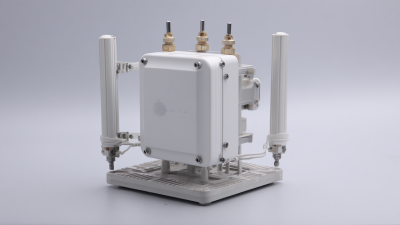
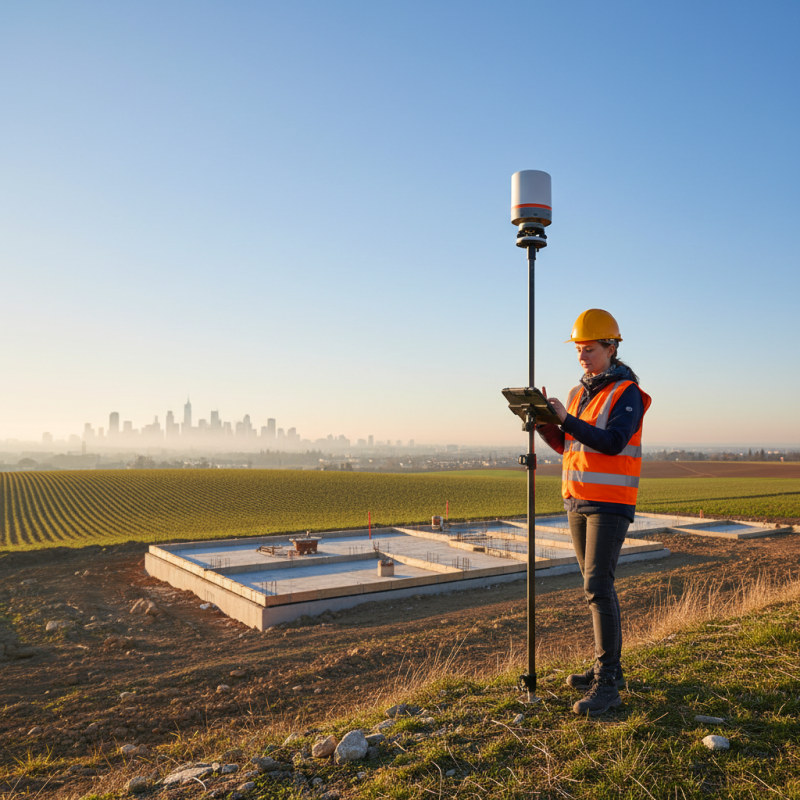
Multi Band RTK GNSS antennas have become essential tools for precision surveying. These antennas can receive signals from multiple satellite systems, ensuring better accuracy and reliability. Each band provides different signals, which helps in overcoming obstacles. The importance of versatility in environments like urban areas is undeniable.
Quad Band Gnss antennas are particularly noteworthy. They can capture signals from four frequency bands, enhancing positioning capabilities. This feature significantly reduces errors caused by atmospheric conditions. In practice, using a quad band system can result in measurements that are both precise and efficient. However, some users may overlook calibration requirements. It’s vital to regularly check settings for optimal performance.
Despite advancements, challenges persist. Multi Band RTK GNSS technology might still face interference in densely built environments. Additionally, the cost of high-quality antennas can be a barrier for some professionals. Users may need to balance budget with the need for accuracy. Awareness of these aspects is crucial for making informed decisions in the field of surveying.
Importance of Accurate Surveying in Various Fields
Accurate surveying plays a critical role in various fields, including construction, agriculture, and environmental monitoring. The quality of data collected during surveying can significantly impact decision-making. Reports indicate that approximately 20% of construction projects exceed their budgets due to inadequate site data. Therefore, precise GNSS technology is vital for on-site measurements.
Dual Band Gnss antennas, such as those capable of receiving signals from multiple satellites, enhance the accuracy of surveying. According to a recent industry analysis, the use of multi-band technology can reduce potential errors by up to 30%. This advancement helps professionals avoid costly mistakes. A single incorrect measurement can lead to significant financial repercussions, especially in large-scale projects.
In agriculture, accurate surveying improves resource management. GPS-guided equipment allows farmers to optimize field layouts and minimize waste. One study found that precision farming techniques increase yields by approximately 15%. However, relying solely on outdated surveying methods can result in inefficiencies. Adopting modern GNSS systems is essential for achieving reliable data in today's fast-paced environment.
Top 10 Multi Band RTK GNSS Antennas for Accurate Surveying
This chart displays the accuracy of the top 10 multi-band RTK GNSS antennas used in surveying. Accurate surveying is essential in fields such as construction, agriculture, and environmental monitoring, ensuring precise measurements and data collection.
Key Features to Consider When Choosing RTK GNSS Antennas
When selecting a multi-band RTK GNSS antenna, several key features come into play. The first is frequency range. A good antenna should support multiple frequency bands to enhance accuracy and reliability. Look for options that include L1, L2, L5, and optionally L3. This diversity enables better signal reception in various environments.
Another feature to consider is the antenna's multipath mitigation capability. Antennas with advanced designs can filter out signals bounced off nearby structures. This is especially important in urban areas where satellite signals can be distorted. A solid multipath rejection can mean the difference between a precise measurement and a faulty one.
Tips: Always check the antenna's field test ratings. Sometimes, specifications look appealing on paper but fail in real-world scenarios. Testing under actual conditions often reveals weaknesses. Ensure compatibility with various RTK systems too. Dual Band Gnss Module options allow flexibility in connecting with different devices, enhancing your system's overall capability and performance.
Also, think about the antenna's physical design. Weight and size matter. A lightweight, compact model can be easier to transport. Yet, a larger antenna can provide better performance in challenging conditions. It's essential to strike a balance between portability and performance.
Top 10 Multi Band RTK GNSS Antennas for Professional Use
When it comes to professional surveying, choosing the right multi-band Rtk Gnss Antenna is crucial. These antennas are designed to provide high accuracy, which is essential for precise measurements. A good RTK GNSS antenna can significantly improve your data collection, making it efficient and reliable. Many models out there may claim to provide the best performance, but not all perform equally well in different environments.
Tips for selection: Look for antennas that offer robust signal processing capabilities. This feature helps mitigate issues caused by signal obstructions, such as buildings or trees. Also, consider the antenna's operational frequency range. A wider range can enhance performance across varied geographies, providing you with consistent accuracy.
Another point to reflect on is the antenna's durability. Professional use often means exposure to harsh conditions. Choosing an RTK GNSS antenna that can withstand these environments is vital. An antenna made from high-quality materials will typically offer better longevity and reliability. Always assess user reviews and expert recommendations. An informed choice can save time and resources in the long run, ensuring quality surveying results.
Comparative Analysis of Performance and Pricing
When selecting a multi-band RTK GNSS antenna for surveying, performance and pricing are critical factors. These antennas operate using various frequencies to improve accuracy, particularly in challenging environments. The differences in tracking capability can substantially affect survey results. Buyer's choices often hinge on whether the anticipated accuracy justifies higher costs.
A comparative analysis reveals some striking variations in performance metrics. High-end models frequently provide faster initialization times and better signal tracking. However, they come with a premium price. Budget-friendly options may lag in performance but could still meet the needs of less demanding tasks. Some surveyors report dissatisfaction with lower-cost models, citing issues with signal reliability.
User reviews play a key role in understanding these antennas' practical applications. It's crucial to look beyond specifications. Real-world testing and experiences highlight common flaws, such as poor performance in dense urban settings. Striking a balance between cost and reliability often requires careful consideration of one's specific needs. Each surveyor must reflect on their requirements before making a decision.
User Reviews and Feedback on Popular Models
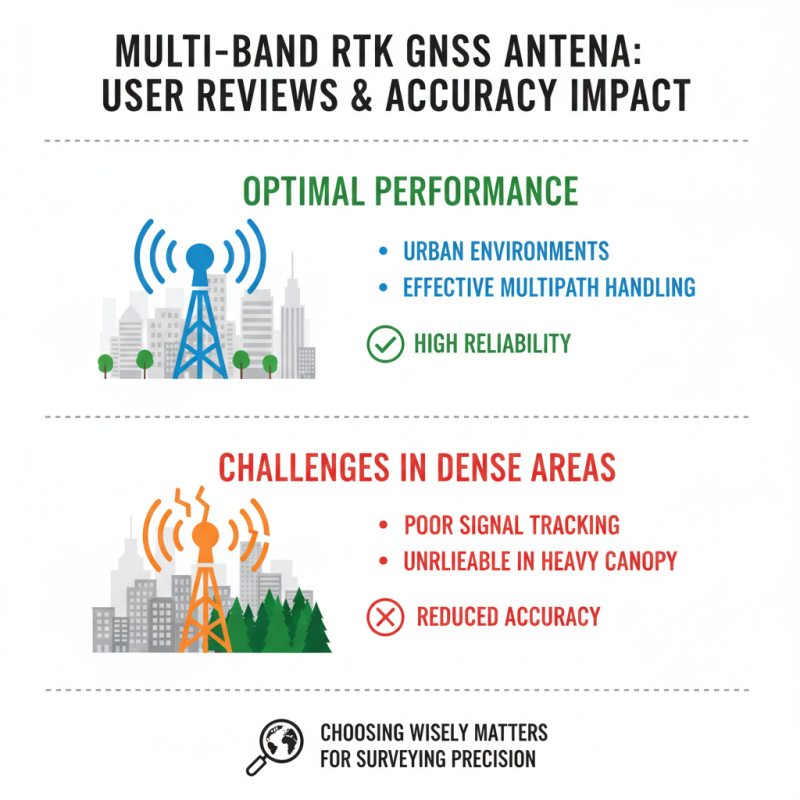
Choosing the right multi-band RTK GNSS antenna can significantly impact surveying accuracy. User feedback is crucial. Many professionals have shared their experiences. For instance, some antennas excel in urban environments. They handle multipath signals effectively. However, others struggled in dense areas, making them less reliable.
Several users noted the importance of setup ease. A few models received praise for their intuitive designs. Others, however, posed challenges during installation. Some surveyors expressed frustration due to complicated interfaces. They desired more straightforward options. Performance consistency also varied. A handful of antennas maintained accuracy under different conditions. Yet, others faltered, leading to debates on dependability.
Beyond functionality, user support plays a role. Many reported needing assistance with configurations. Some manufacturers provided excellent support, which enhanced user experience. In contrast, a few left customers feeling neglected. This disparity in service can influence purchasing decisions significantly. Ultimately, user reviews reflect real-world experiences, guiding those in the field towards more reliable choices.
Future Trends in GNSS Antenna Technology
The future of GNSS antenna technology is promising, though challenges remain. Recent reports highlight a projected market growth of over 10% annually in GNSS technology by 2026. This growth is fueled by the rising demand for accurate surveying tools in various industries, including construction and agriculture. Multi-band antennas are becoming a crucial component, offering increased frequency coverage and improved signal processing.
Current advancements focus on integrating advanced materials and designs. Lightweight, durable composites are being explored, improving the antenna's performance and stability. The trend leans towards smarter antennas, equipped with real-time data analytics capabilities. This shift aims to enhance the accuracy of positioning services. Yet, the complexities of environmental factors that may affect signal integrity cannot be overlooked. Challenges with multipath effects and signal blockage in urban areas persist.
Moreover, the interoperability of GNSS systems remains a critical concern. Various systems such as GPS, GLONASS, and Galileo must work seamlessly together. Ensuring compatibility helps improve the reliability and accuracy of surveyed data. However, achieving this remains a daunting task. Ongoing research is essential to solve these issues, paving the way for a new era in GNSS technology. As the field evolves, staying updated with the latest findings will be vital for professionals engaged in surveying.
Maximizing Signal Integrity: Insights from Recent Industry Reports on TCA930 Choke Ring Antenna Performance Metrics
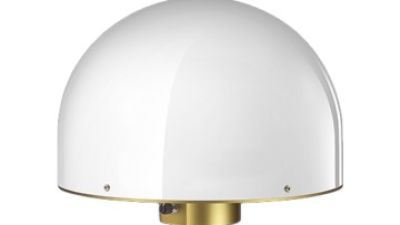
Recent industry reports highlight the performance metrics of the TCA930 Choke Ring Antenna, emphasizing its critical role in maximizing signal integrity for GNSS applications. This innovative antenna model supports all-correlated signals from four global navigation satellite systems (GNSS), providing robust connectivity in diverse environments. With its superior antenna gain, the TCA930 excels in satellite reception, particularly at low elevation angles, ensuring users maintain reliable positioning data even in challenging conditions.
Moreover, the TCA930's stable phase center is a significant feature, ensuring sub-millimeter positioning accuracy essential for precision applications. This attribute is vital for sectors ranging from agriculture to autonomous vehicles, where accurate positioning directly translates to operational efficiency. The antenna is also designed to withstand adverse working environments, showcasing a strong anti-interference capability that shields it from external disruptions and maintains optimal signal performance.
In terms of durability, the reliable structure of the TCA930 is pivotal, with a protection level rated at IP67. This high level of protection guarantees the antenna’s resilience against dust and water ingress, affirming its suitability for outdoor installations. The combination of these features not only enhances the performance and longevity of the antenna but also provides users with confidence in signal integrity across various applications.
FAQS
: Accurate surveying affects decision-making in construction, agriculture, and environmental monitoring. It leads to better project outcomes.
Approximately 20% of construction projects exceed budgets due to poor site data. Reliable measurements can prevent this issue.
GNSS technology improves on-site measurements. Multi-band antennas can reduce potential errors by up to 30%.
Look for frequency range, multipath mitigation, and real-world performance. These features affect accuracy significantly.
User reviews provide insights into real-world performance. They help identify antennas that perform well in specific environments.
Reliance on old methods leads to inefficiencies. Farmers may miss out on potential yield increases from modern technology.
Weight and size are crucial. A balance between portability and performance is essential for effective surveying.
Effective multipath rejection helps filter distorted signals, leading to more precise measurements in challenging environments.
Some antennas have complicated interfaces. This can frustrate users, impacting their overall surveying experience.
Good customer support enhances user experience, while poor support can lead to dissatisfaction and influence purchasing decisions.
Conclusion
Multi Band RTK GNSS Antennas play a crucial role in enhancing the accuracy of surveys across various fields, such as construction, agriculture, and geospatial analysis. These antennas allow for precise data collection, which is essential for making informed decisions and ensuring project success. When selecting an antenna, it is vital to consider key features like signal strength, multi-frequency support, and durability to ensure optimal performance in diverse environments.
The article presents a comprehensive overview of the top 10 Multi Band RTK GNSS Antennas available for professional use, including a comparative analysis of their performance and pricing. User reviews and feedback provide insights into the practicality and reliability of different models. Additionally, the article discusses future trends in GNSS antenna technology, highlighting innovations that could further enhance surveying accuracy and efficiency, ultimately benefiting various industries reliant on precise geographic information.