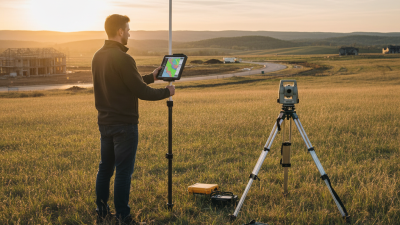
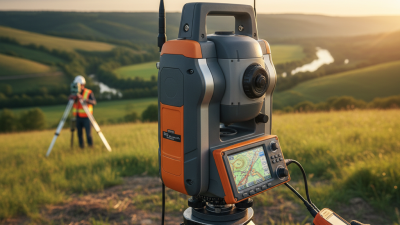
In the fast-paced world of surveying, picking the right GNSS Rtk Equipment for 2026 isn’t something you can just do on a whim. I mean, according to Dr. Emily Smith from GeoTech Innovations, getting the right gear is absolutely key when it comes to accuracy. As tech keeps advancing, surveyors really have their work cut out for them trying to find tools that actually suit their specific needs.
Today’s GNSS RTK gear comes packed with all sorts of features — it’s easy to get overwhelmed. When you’re shopping around, things like accuracy, user-friendliness, and durability really matter. Equipment has to be tough enough to handle different environments and still give you reliable data. For example, some models are built for rugged terrains, so they can perform under tough conditions without breaking a sweat. But honestly, not every team will instantly find the perfect fit right off the bat.
It’s also super important to be aware of some pitfalls. Prices can fluctuate, and tech keeps changing fast. Plus, you don’t always need the latest and greatest model — sometimes, a more practical choice wins the day. Striking that balance between cutting-edge innovation and real-world usefulness is what really makes or breaks a project. Looking ahead to 2026, it’s clear that the variety of GNSS RTK equipment will keep shaping the future of surveying in pretty interesting ways.

Overview of GNSS RTK Surveying Technology
GNSS RTK technology revolutionizes surveying. It provides high precision, often within a few centimeters. A recent report by ResearchAndMarkets indicates that the Global Gnss market is expected to grow by over 15% annually by 2026. This growth signifies increasing reliance on this technology across various sectors.
The system uses a network of satellites to enhance data accuracy. However, it requires a clear line of sight to the sky. Urban environments can struggle with accuracy due to interference. A multi-frequency approach helps mitigate some challenges, but there are limitations. For instance, obstructions like tall buildings can still hinder signal reception.
User feedback reveals varying experiences with RTK equipment. While some users report ease of use, others mention calibration issues. These inconsistencies prompt a reevaluation of equipment selection. As technology advances, adapting to new methodologies becomes crucial for success.
Best GNSS RTK Surveying Equipment for 2026
Key Features to Look for in GNSS RTK Equipment
When choosing GNSS RTK Surveying Equipment, key features greatly influence your decision. Accuracy is paramount. Look for systems that can reach centimeter-level precision. This ensures reliable data collection during your surveys.
Another critical feature is the number of supported satellite systems. A versatile receiver that works with multiple GNSS constellations enhances performance in varied environments. This adaptability helps avoid signal loss in challenging areas. Additionally, consider battery life. Extended usage without frequent charging is a plus.
Tips: Always assess the weight and portability of the equipment. Heavy gear can hinder field operations. Also, check for user-friendly interfaces. Complexity can lead to mistakes. Streamlined operations are vital in survey accuracy. Lastly, keep an eye on firmware updates. Regular improvement can help your equipment stay effective over time.
Top GNSS RTK Surveying Brands in 2026
As we look ahead to 2026, choosing the right GNSS RTK surveying equipment becomes crucial. The market is evolving rapidly, with innovations enhancing accuracy and efficiency. According to a recent industry report, the global GNSS RTK market is projected to grow by 12% annually over the next few years. With several brands emerging at the forefront, understanding these options is key for professionals in the field.
Tip: Focus on required specifications first. Different projects demand specific levels of precision and features. Surveying equipment is not one-size-fits-all. Many users face issues when they overlook compatibility with existing systems. Look for devices that provide comprehensive customer support and software updates.
Additionally, consider the durability of the equipment. Harsh environments can quickly degrade lesser models. A common mistake is compromising on quality for a lower price. Research shows that investing in better equipment can save costs long-term. Also, ensure users are trained adequately, as human error often impacts data collection significantly.
Comparison of Hardware Specifications for GNSS RTK Devices
When choosing GNSS RTK surveying equipment for 2026, hardware specifications play a key role. Users should consider accuracy, durability, and battery life. Accuracy is critical for precision tasks. Devices with higher frequency signals often yield better results. Durable models resist various environmental conditions, ensuring reliability in the field. Additionally, long battery life can prevent interruptions during extensive surveys.
Another important aspect is connectivity. Many new devices now offer Bluetooth and cellular connectivity. This feature enhances data transfer and real-time communication. However, the complexity of these technologies can also create challenges. Users may need to invest time in training and troubleshooting. Weight and portability are also factors. Lightweight models are easier to handle, but may compromise durability. Each project has unique requirements; finding the right balance is essential.
Ultimately, comparing specifications is a vital step in making an informed choice. Look at processing power, signal support, and software compatibility. Each of these elements influences performance greatly. Users must weigh what features matter most for their projects. The variability in options can be overwhelming. Making a choice requires careful consideration and sometimes even a bit of trial and error.
Best GNSS RTK Surveying Equipment for 2026
| Model | Frequency Bands | Accuracy (cm) | RTK Range (km) | Battery Life (hrs) | Weight (kg) |
| Model A | L1, L2, L5 | 1.5 | 10 | 16 | 1.2 |
| Model B | L1, L2 | 2.0 | 8 | 12 | 1.5 |
| Model C | L1, L2, L5, CNAV | 1.0 | 15 | 20 | 0.9 |
| Model D | L1, L2, L3 | 1.8 | 12 | 14 | 1.1 |
User Preferences: Field Applications and Environmental Considerations
When considering GNSS RTK surveying equipment for 2026, user preferences play a crucial role. Field applications heavily influence the choice of equipment. For example, if the surveying site is in a densely forested area, a device with strong signal retrieval is essential. Environmental factors like weather can also affect accuracy. Strong winds or heavy rain may interfere with equipment performance.
Accuracy is not the only concern. User comfort is important too. Equipment should be lightweight and easy to handle. A bulky device can lead to fatigue quickly, impacting work efficiency. Moreover, battery life must be sufficient for long surveys. Users often overlook this aspect until they face significant downtime.
Another factor to consider is data management. The ability to easily transfer and process data is vital. Some users find themselves frustrated by complicated software interfaces. Intuitive designs can save time and reduce mistakes. Reflecting on personal experiences can guide better choices. Ultimately, the right equipment should enhance productivity without adding unnecessary complexity.
Future Trends in GNSS RTK Surveying Equipment
The future of GNSS RTK surveying equipment looks promising. Advances in technology continue to enhance accuracy and reliability. Reports indicate that the GNSS RTK market is projected to grow at a compound annual growth rate (CAGR) of 12% from 2023 to 2028. This growth reflects a rising demand for precision in engineering and construction.
Data indicates that industries are shifting towards multi-frequency GNSS receivers. These devices can improve reliability, especially in areas with signal interference. As more users implement systems with advanced algorithms, it becomes crucial to stay updated with technology trends. Higher resilience against atmospheric disturbances is also a vital aspect for future devices.
Tips: Always evaluate your specific surveying needs. Consider equipment that offers scalability. It's important to be aware of your budget while also investing in quality.
Some equipment still struggles in urban canyons. Even with advancements, achieving 1 cm accuracy can pose challenges. This raises the need for ongoing innovation and adaptation. User feedback is essential for improvement. Engaging with the community can provide insights into real-world applications.
Cost-Effectiveness and Budgeting for GNSS RTK Tools
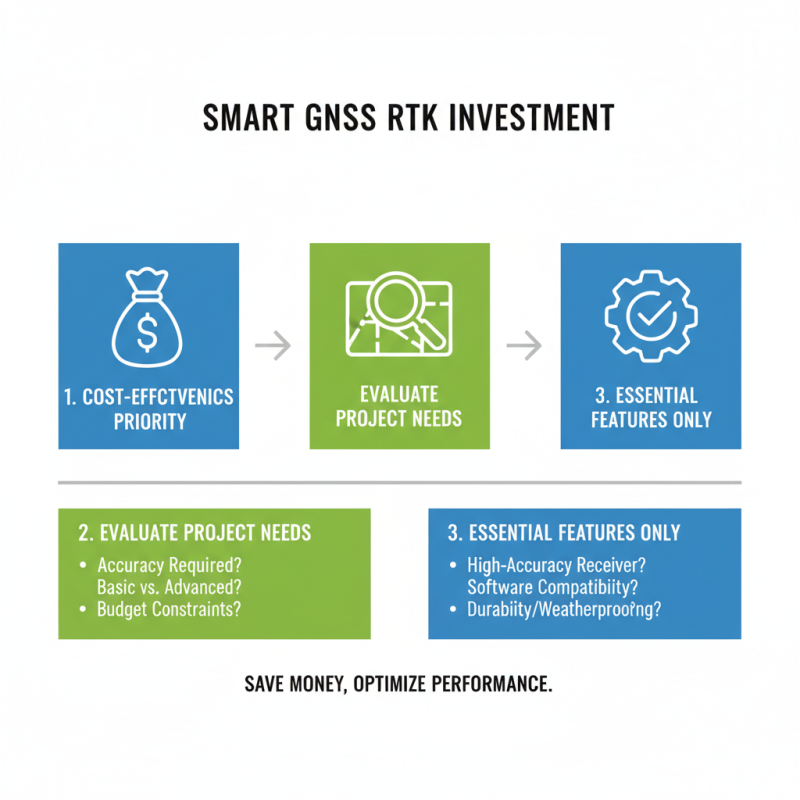
When planning to invest in GNSS RTK surveying equipment, cost-effectiveness must be a priority. The market offers a range of options, each with different price points. You should evaluate your project needs before committing to any tools. Understanding what features are essential can save you money in the long run. For example, a highly accurate receiver may be necessary for some tasks, while others might get by with basic models.
Creating a budget for GNSS RTK tools can be challenging. Balance is essential. If you overspend on high-end features, you may end up regretting it. But going too cheap can result in poor results. How often will you use the equipment? If it's infrequent, investing heavily might not make sense. Consider additional costs, like software or maintenance. These expenses can add up quickly.
There’s no one-size-fits-all answer. Sometimes, renting equipment is a viable option for budget-conscious surveyors. It allows for flexibility without the burden of upfront costs. Think critically about your choices. What works today may not suit tomorrow's needs. Always leave room for reevaluation as technology evolves and your surveying demands change. Don’t overlook the importance of quality versus price.
Enhancing Geospatial Accuracy: The Role of AP60 Vision GNSS Receiver in Meeting Industry Standards and Data Precision
In the realm of geospatial technology, the precision of data collection is paramount for meeting rigorous industry standards. The AP60 Vision GNSS Receiver emerges as a pivotal tool in this pursuit, boasting features that significantly enhance geospatial accuracy. By utilizing advanced algorithms and multiple frequency tracking capabilities, it ensures that users can gather high-quality positional data even in challenging environments. This robustness is essential for sectors such as surveying, agriculture, and construction, where precise measurements can directly impact project outcomes and efficiencies.
The integration of this technology allows for seamless alignment with contemporary requirements in data precision. With the ability to process signals from various satellite constellations, users can expect improved reliability and accuracy in their geospatial analyses. Furthermore, the AP60 Vision GNSS Receiver supports real-time corrections, enabling immediate adjustments to positional data. This capability is essential for professionals relying on up-to-the-minute accuracy as they complete their tasks in dynamic settings. Through these enhancements, the receiver not only adheres to industry standards but also sets a new benchmark for quality in geospatial data collection.
FAQS
: Various products can be found, including essentials and luxury items. Each has its unique features, which can vary widely.
Evaluate your needs carefully. Consider pricing, functionality, and user reviews. Ask questions to clarify uncertainties.
Most items are returnable under specific conditions. Check the return policy for applicable timeframes and item conditions.
Common payment methods include credit cards, digital wallets, and sometimes cash. Always confirm during checkout.
Once the item ships, a tracking number will usually be provided. Use it to monitor your package status online.
Report the issue immediately. Document with photos if possible. The resolution process can take time but should resolve the issue.
Conclusion
The article "Best GNSS RTK Surveying Equipment for 2026: What to Choose?" provides a comprehensive overview of GNSS RTK surveying technology, elaborating on key features essential for selecting the right equipment. The discussion includes a detailed comparison of hardware specifications, highlighting the importance of accuracy, durability, and user-friendly interfaces in GNSS RTK surveying equipment.
Additionally, the article addresses user preferences based on various field applications and environmental considerations, emphasizing the need for customizable solutions. It also forecasts future trends in GNSS RTK surveying equipment, including innovations that enhance efficiency and accuracy. Finally, the article guides readers on cost-effectiveness and budgeting for these tools, ensuring that professionals can make informed decisions to enhance their surveying capabilities in 2026 and beyond.